
2026 FALL FACULTY READING GROUPS
This semester, the Center for the Advancement of Teaching is offering the following faculty reading groups. Each group will meet once a week for three weeks to discuss the books in sections. We hope you can join us! Please register here.
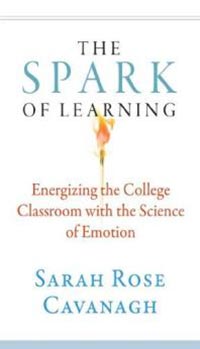
The Spark of Learning: Energizing the College Classroom with the Science of Emotion
Tuesdays: 9/15, 9/22, 9/29
1:00–2:30 p.m. at the Innovation Hub
Print copy, delivered through interoffice mail
Most of our preparation for teaching (both our training and our planning) focuses on the content and the thinking students need to do, but Sarah Rose Cavanagh reminds us that learning is a highly emotional process. Anxiety and fear hamper learning, while powerful positive emotions can enhance it. Cavanagh offers concrete strategies for harnessing the power of emotion to galvanize learning.
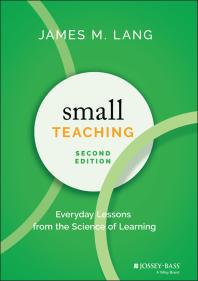
Small Teaching: Everyday Lessons from the Science of Learning (2nd ed.)
Wednesdays: 9/16, 9/23, 9/30
12:00–1:30 p.m. in DIF 432
Print copy, delivered through interoffice mail
How do I get my students’ attention? How do I help them to go deeper, to make connections, and to feel empowered by their own learning? James Lang’s book, now in its second edition, explores the science of learning and shares with us small changes we can make that will have a powerful influence on our students’ learning. Join us as we discuss a variety of practical tools and techniques that can help us answer these and other teaching questions.
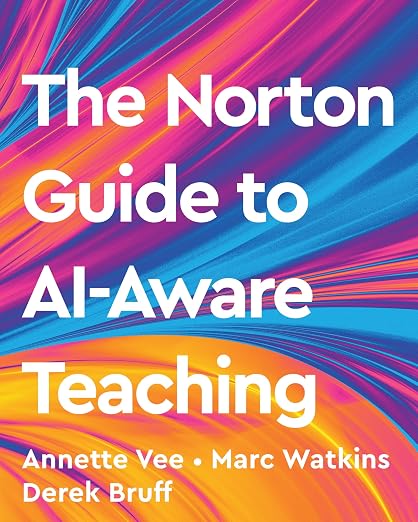
The Norton Guide to AI-Aware Teaching
Thursdays: 10/15, 10/22, 10/29
2:00–3:30 p.m. meeting remotely on Zoom
Print copy, delivered through interoffice mail. For participants outside Tallahassee, we will share the link to the e-book when it becomes available.
This reading group, co-facilitated by CAT and the Office of Digital Learning (ODL), will focus specifically on teaching online in the age of AI. The book offers strategies for teaching “with AI and about AI” and supports various approaches to AI. The book and the reading group will help participants hone their goals for student learning, their strategies for gathering evidence of learning, and their methods of cultivating instructor presence in the online environment.